The importance of distinguishing between web design and development
The terms “web design” and “web development” are often used as if they were the same thing, but they describe two different parts of building a successful website.
In a digital-first world, your site is the hub of your online presence. Creating and maintaining a website is more layered than it looks: design and development are connected, but they answer different questions. Knowing how they fit together helps you set sensible goals, budgets, and timelines.
What is web design?
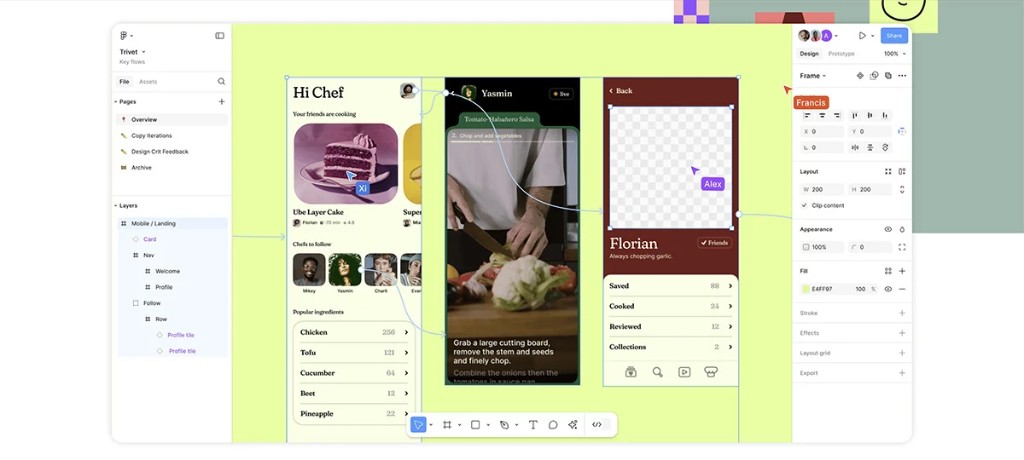
Web design is the craft of shaping the visual and interactive side of a site, what people see, read, and tap.
It is about how a layout looks and how easy it feels to move through. Good design attracts attention, keeps people engaged, and nudges them toward actions such as buying, booking, or subscribing.
Key components of web design include:
- Layouts: Where text, imagery, and calls-to-action sit on the page.
- Colour schemes: Using colour to support mood, contrast, and brand recognition.
- Typography: Font choices that balance personality and readability.
- Imagery and icons: Visuals that reinforce the message and guide the journey.
Picture a jewellery brand: restrained layouts, refined type, and careful use of colour signal quality before a visitor reads a word. That is design doing strategic work, not decoration alone.
The first few seconds on a site, colours, hierarchy, and how navigation feels, often decide whether someone stays or leaves. Design owns that first impression.
Web design specialisations
Web design in itself spans several disciplines, each with its own skills.
User Experience (UX) designers User experience is about structure and flow: helping people complete tasks with less friction, including accessibility and usability.
User Interface (UI) designers Focus on controls, states, and interactive patterns so screens feel coherent and predictable.
Visual designers Blend UX and UI thinking with brand expression so the whole interface feels like one system.